
The person behind it

Jeffrey Screen.

Founder of SafeStax Solutions. Twenty-five years of exacting, one-of-a-kind work — historic restoration, commissioned furniture, pipe organs — and the fabrication system now producing in chimney shops in three states. He engineers systems that carry the skill, and he installs them in person.
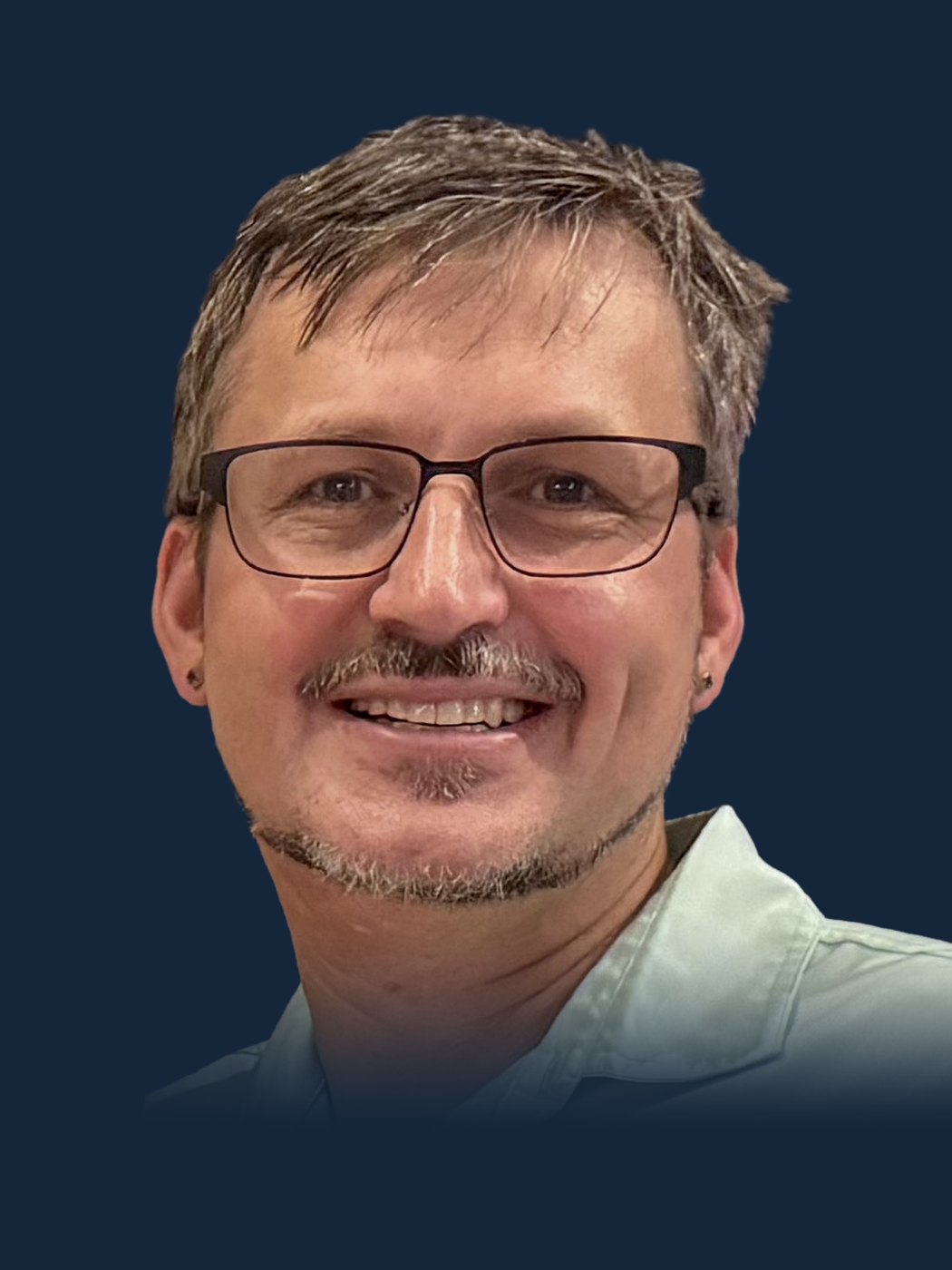
Jeffrey Screen, founder of SafeStax Solutions
Based in
Waynesboro, Virginia
Role
Founder & lead trainer
Background
25+ years hands-on fabrication & restoration
The road here

Twenty-five years of work that had to be right.

I’ve spent my working life on projects where close enough was never acceptable. I trained in furniture design at the Savannah College of Art and Design, then spent close to a decade in historic restoration in Savannah — co-owning NewLife Restoration and leading crews on century-old structures, where the work has to stand beside what master craftsmen built the first time. After that, commissioned furniture under my own label, 1 O.A.K. Design — every piece one of a kind, engineered for the person who ordered it. Today I also design and build for Klann Organ Supply, Waynesboro’s pipe-organ maker since 1910 — instruments held to tolerances most shops never see, built to outlast everyone who worked on them.

Four years ago, The Chimney Guys brought me in to build their custom metalwork operation. I reviewed what existed and took the job on one condition: the system would be engineered from the ground up — documented, repeatable, quality-controlled — not a stack of one fabricator’s shop notes. I built it, I still run it as fabrication manager, and it has been producing ever since. That shop floor is where SafeStax was born.

Why SafeStax exists

The system was built to carry the skill.

When I started, what existed was the kind of notes one fabricator writes for himself — not something a crew could build from. There was no handoff, no quality control, and honestly not much public information about chimney cap fabrication anywhere. I had to piece it together and experiment. I designed my own templates, then jigs that lock the whole assembly square through the build — I went through about thirty-five versions of the main assembly jig alone. When we brought in the plasma table, everything went to another level: I started building parametric Fusion 360 files, and I’ve been through easily a hundred versions — moving tolerances, refining the math, making parameters a shop can adjust and still get a product that fits the chimney every time. The goal was always the same: take human error out, so the system carries the skill.

The first shop I trained outside our own was Advanced Chimneys in South Carolina — a conversation at an industry convention became an invitation, and his crew was producing before I drove home. Word traveled on results: the next shop came to me on his recommendation, and their crew went from zero fabrication experience to producing in four days. That’s the pattern SafeStax is built on. I’ve trained crews my entire career — restoration teams, shop hands, and the metal guild I ran at our regional makerspace — and teaching is the part of the work I’ve loved longest. SafeStax turns that into a path a shop can walk: a proven system, installed by the person who engineered it.

If a crew can’t build from it, it isn’t a system — it’s one man’s notes.
— Jeffrey
Training week

In your shop, on your tools, at your crew’s pace.

No production schedule breathing down anyone’s neck. We set the shop up together so your team learns in the space they’ll actually work in. By the time I drive away, your crew has already built real products, in your building, with their own hands. The muscle memory is in them — nobody goes home trying to remember what they watched someone else do. And it doesn’t end when I leave: when something comes up on the floor, I’m a phone call away — not as your employee, as a support resource — and the system keeps getting refined behind you.

The right fit

A different path, not a better way.

This fits shops with real custom metalwork demand who want that work — and that margin — inside their own walls. If your shop has a long-standing wholesale relationship that’s earned your trust, honoring that loyalty is a valid reason to keep the path you’re on; I’ll tell you that straight. The first conversation is an honest look at whether this fits how your shop already works. If it doesn’t, I’ll say so — and that answer costs you nothing.

Outside the shop

We moved to Virginia in 2009 for my wife’s work, and we’re convinced God brought us here. For the next decade my son was the priority — I worked when it fit, and our family fostered three young siblings in those years. The building never stopped: 3D printing, laser cutting, CNC millwork, precision jigs, even production runs of board-game components. I’m wired to solve things — it’s the same mind I bring to your shop.

Next step

Talk to the person, not a pitch.

The next step is just a conversation — your shop, your customers, what you’re producing now, and whether this is the right path.